_edited.jpg)
30 new predator free projects in one year
Updated: Sep 3
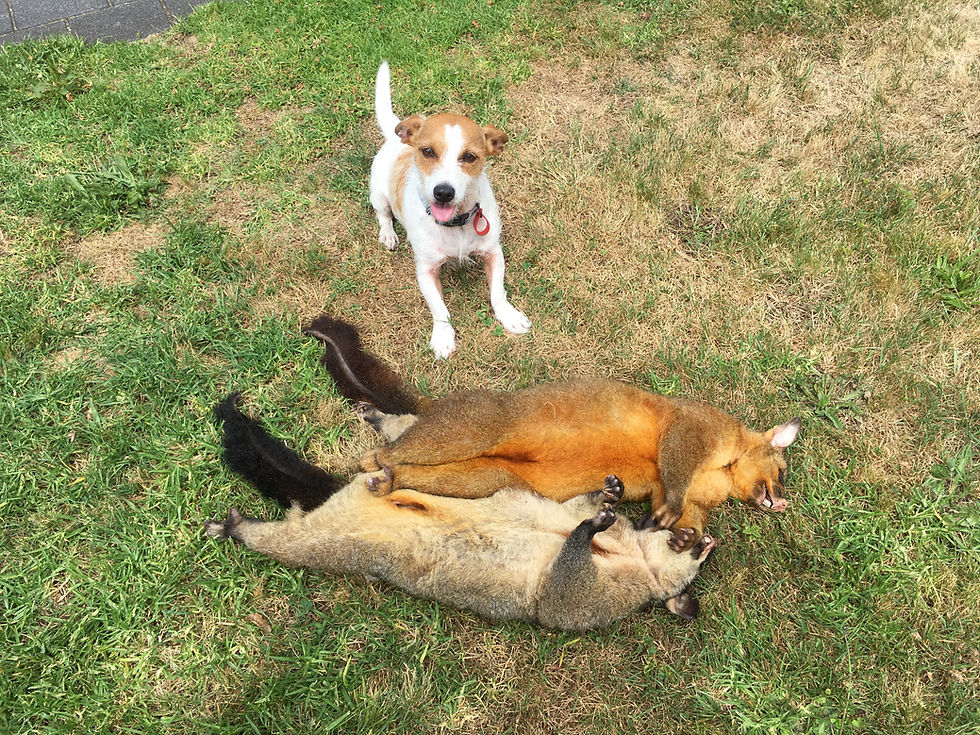
Fraser Smith’s Jack Russell May knows the location of every trap between Hamilton's Anzac and Cobham bridges and has dutifully tagged along on the family's daily “rat run” since it began in 2020.
The Smiths had noticed evidence of pests along the river path as they cycled to and from Hamilton East School.
Last year, Fraser was appointed predator control advisor for Hamilton City Council in the natural areas team. This team is focussed on restoring and maintaining Kirikiriroa’s natural areas alongside promoting community engagement in conservation.
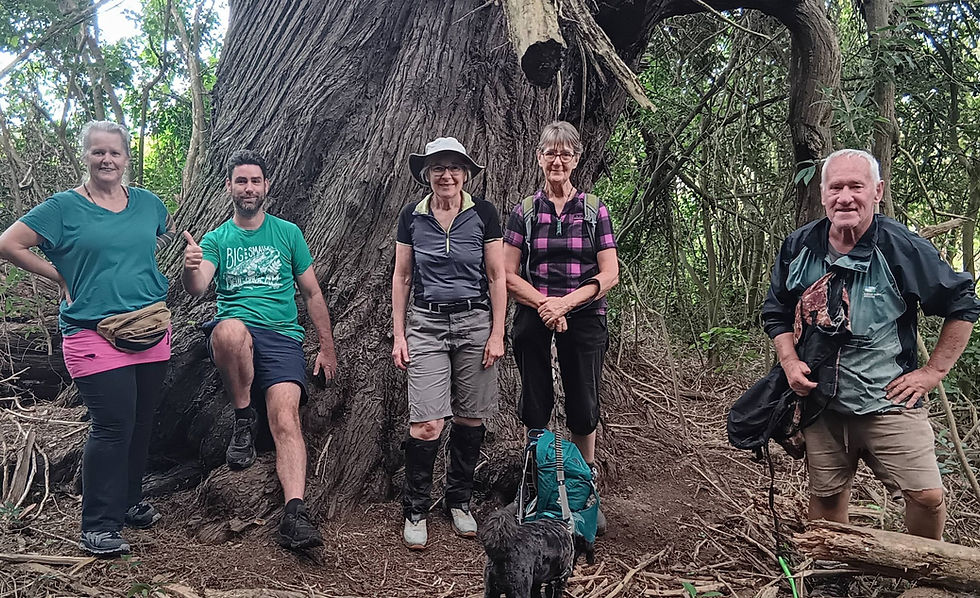
In this new role, Fraser’s mahi is both strategic and hands-on and he recognises that volunteers are crucial to his work.
Fraser supports groups in a variety of ways, including knowledge transfer, upskilling, materials and hardware, and best practice.
In particular, volunteers trapping in gully areas can significantly contribute to stemming the influx of pests across the interconnecting corridors that intersect with Waikato Te Awa (Waikato River).
In just over a year there have been some significant wins and growth from ten to more than 40 predator-control projects.
Auspiciously, on Fraser’s first day he spotted a kārearea (New Zealand falcon) up close. He is ptimistic about the collective efforts increasing biodiversity in Kirikiriroa.
“If we can get rid of possums, control rats and restore habitat then in the fullness of time we should see the return of the K-birds; karearea, kākā, korimako (bellbird) and kerurū (wood pigeon) back into the city, just like we have seen with the flourishing of tūi.”
Some interesting stats from Fraser since he started:
Possum catches: 677 up from 128 year prior
Rats catches: 900 up from 860, but significant increase in pulsed toxins means actually thousands
Hedgehog catches: tripled 149 from 56
Most importantly we have gone from 14 Trap NZ projects to 44.
Hectares under predator control increased from 235ha to 525ha
Comments