
NGĀ ROUROU KAI O TE MARAE
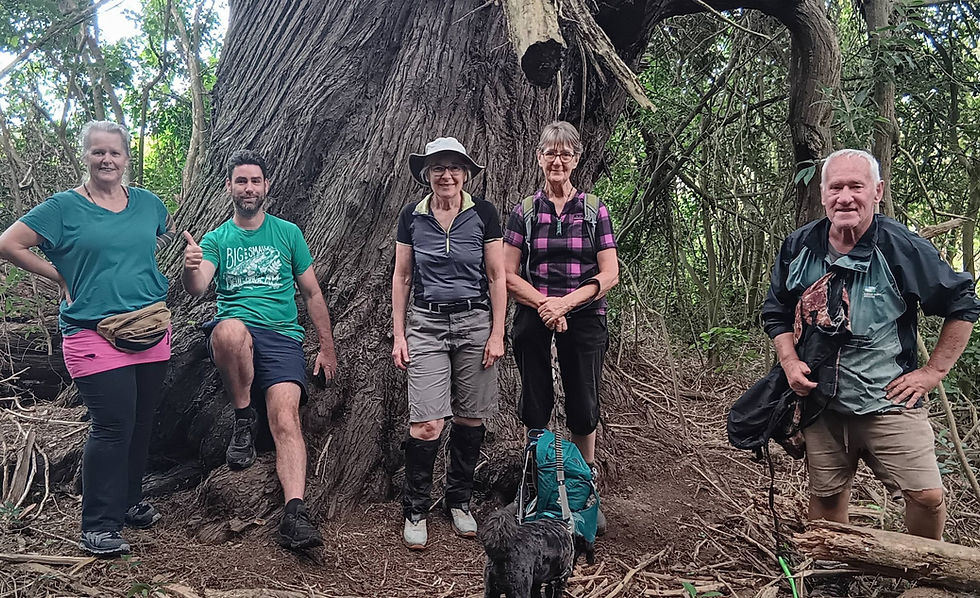
Who grew the kai at Ōpārure, where did they gather it, and who taught them? Last week, marae whānau came together for the first wānanga of a new kai programme to start answering those questions, and to plan what comes next.
This wānanga exists because 63 people chose to back it. Here's how the first steps of the hikio have started.
Kai motuhake is how whānau practice food sovereignty: communities growing, gathering and sharing their own kai, on their own terms. It sits at the heart of Pou Kai, one of Go Eco's three pou, and it's already alive in whānau and hapū practice across the Waikato. Our role is to acknowledge it, resource it and provide support where it's needed.
In July we launched Marae-Led Kai Sovereignty and Climate Resilience Initiative on Ma Earth, a crowdfunding platform for environmental projects. The kaupapa is marae-led: whānau starting at Ōpārure, near Te Kūiti, shape and lead the mahi, and we back that leadership with funding, time and support.
The response was generous. 63 supporters gave over NZ$ 115,000 (around US$ 65,725), with every donation, whatever its size, counting toward a matched total. To everyone who gave: ngaa mihi nui. This is what your support has set in motion.
Te Tau Tuatahi: a year of listening
The first year is framed as Te Tau Tuatahi: learning, listening and laying the groundwork. Before anything goes into the ground, the mahi starts with kōrero.
So far that has meant time with marae whānau, hearing their aspirations and exploring the whakapapa of kai at Ōpārure. These kōrero make space to remember who grew and gathered kai, where that happened, and how knowledge was passed on.
They also help whānau name who will carry the mahi forward, what support those people need, and the skills and resources already held within the whānau. That relationship-building is the foundation of a programme whānau can lead and sustain for themselves, one that reconnects them with traditional kai practices and builds resilience through relationships with whenua, wai and te taiao.
A year that follows the seasons
The wānanga plan works as a seasonal guide rather than a fixed timetable. Delivery is guided by maramataka, local tohu, the weather and the natural cycles of growing and gathering kai, with whānau kōrero shaping when and how each wānanga happens. Learning to read and respond to those cycles is part of the kaupapa itself.
Kōanga (Spring) — Te Reo o te Māra Whenua: Kōrero about the whakapapa of kai at Ōpārure alongside practical growing activities. The opening wānanga includes tīpu kūmara and take-home tāpapa pouaka, with planned learning around rīwai Māori, hue, kamokamo and kōkihi.
Raumati (Summer) — Te Reo o te Māra Moana: A planned stay at Awakino, with time at the moana during the day and night. Activities include fishing, setting nets, gathering shellfish, and preparing and smoking fish, shaped by suitable conditions and local guidance.
Ngāhuru (Autumn) — Te Reo o te Māra Awa: Learning around freshwater kai and awa health, including setting hīnaki, rama tuna, gathering watercress and using a SHMAK stream-monitoring kit.
Takurua (Winter) — Te Reo o te Māra Ngahere: Hunting, foraging and butchery, connecting wild kai gathering with the practical skills needed to prepare and use the harvest.
Te reo, whakapapa o te kai and maramataka run through every season. Planned pouaka and practical resources will help whānau keep learning and putting these skills to use at home, between wānanga.
Groundwork beyond the wānanga
Alongside the wānanga, the year-one plan includes site and biodiversity assessments, climate resilience planning, and mapping the whānau experts, knowledge holders, whenua and other resources already in place. Together these give whānau a clear picture of the current kai landscape, so they can set the priorities for future mahi.
The funding makes room for something that's often hard to resource: time. Time for collective planning and relationship-building, alongside practical chances to grow, gather, prepare and share kai. It carries forward a kaupapa of marae-led kai motuhake, intergenerational knowledge sharing, care for te taiao and stronger local food resilience.
What comes next
With the first wānanga complete, whānau feedback, observations of te taiao and practical learnings will guide the next steps. That keeps the programme responsive to both whānau aspirations and the seasons the mahi depends on.
We'll share more as each season turns.

Follow the mahi
Ngā Rourou Kai o te Marae is one part of Go Eco's mahi across the Waikato, from kai to para kore and te taiao.
To hear about all of it, sign up to our email updates: Go Eco Panui.
Ngā mihi,
Hera Denton Pou Kai Lead, Go Eco

Comments